Jerry Wang
Leather is one of the most profitable materials a laser can touch. A blank veg-tan patch costs a dollar or two; laser-etched with a logo, it sells for $15 or more. Wallets, belts, dog collars, journal covers, hat patches, keychains. The product list keeps growing, and the marks are permanent: no ink to fade, no thread to unravel.
But leather punishes the wrong machine. Too little power and a 3 mm strap takes six ugly passes. Too much heat and a finished chrome-tan wallet comes out with a scorch ring around the logo. Cutting thick leather takes CO2 power. Batch marking logos is fiber territory. Finished, dyed goods are safest under a UV cold beam. And one rule before anything else: never laser PVC or vinyl faux leather. It releases chlorine gas. We cover safety in detail below.
We have hands-on tested all seven machines in this guide, timing cuts and inspecting edges on real leather. Prices run from $768 to $4,499. For most leather businesses, the xTool P2S is the best laser engraver for leather you can buy. It cuts 5mm veg-tan in one pass and personalizes whole batches through its camera system. All seven picks are below.
Top Recommended Laser Engravers for Leather
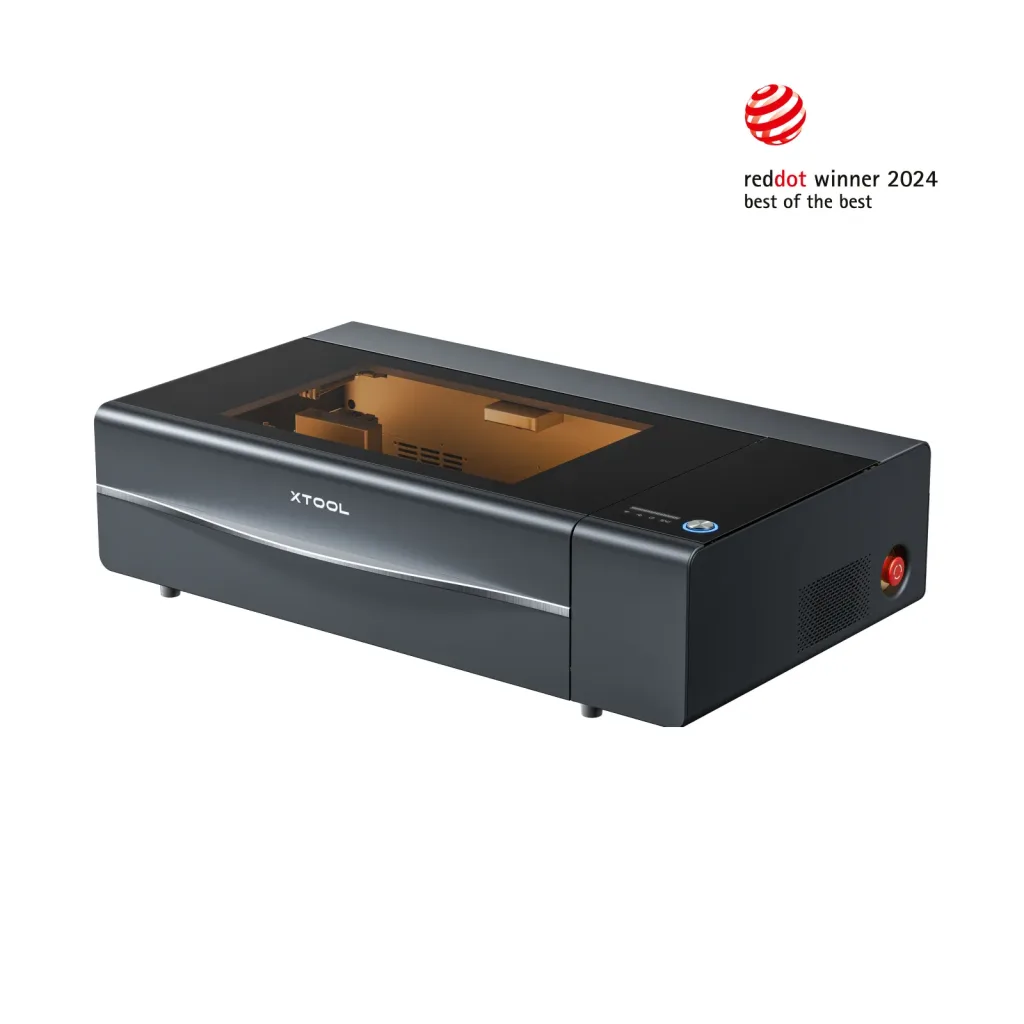
1. xTool P2S
55W of CO2 power cuts 5mm veg-tan in a single pass, and Batch Processing 2.0 gives every piece its own name. The machine for shops that cut as much as they engrave. ($4,499)
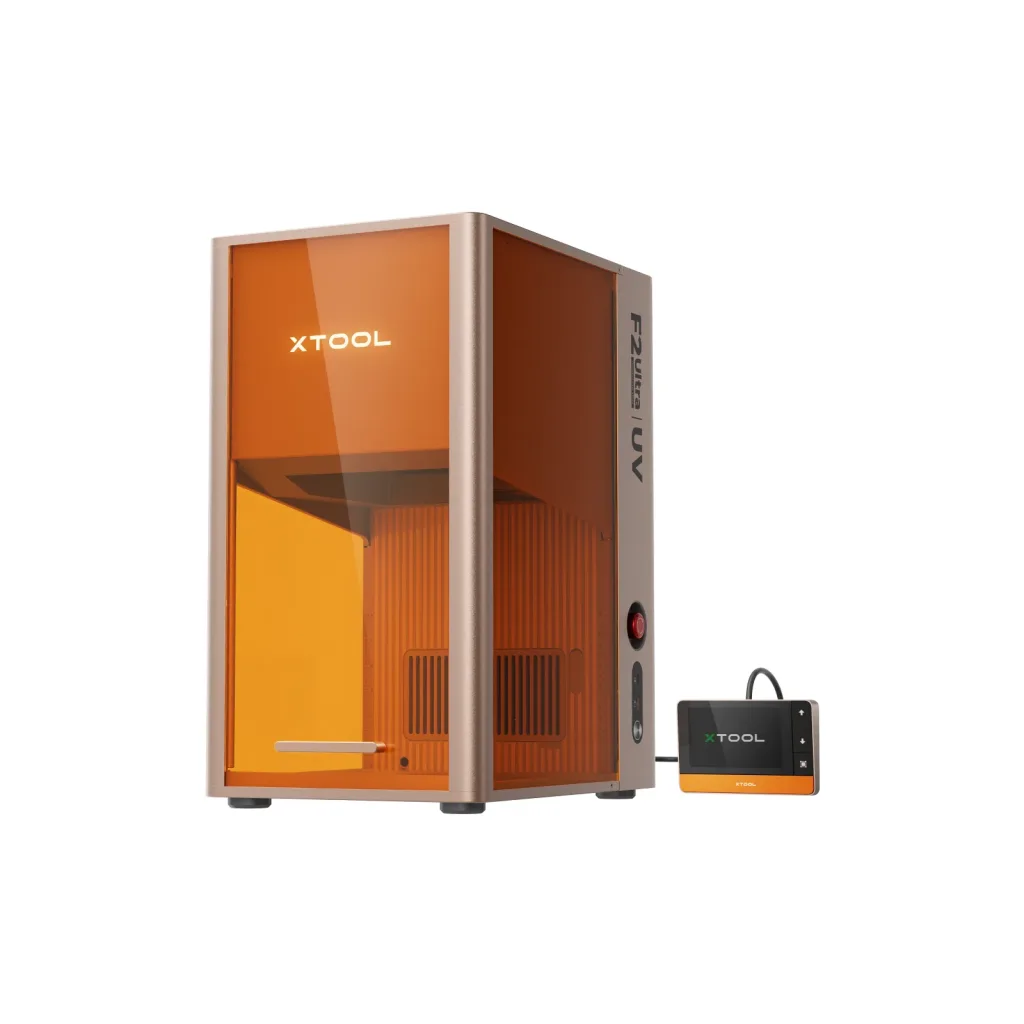
2. xTool F2 Ultra UV
A 355nm cold beam that marks finished leather with zero scorching at the finest spot size we have measured. ($4,299)
3. xTool F1 Ultra
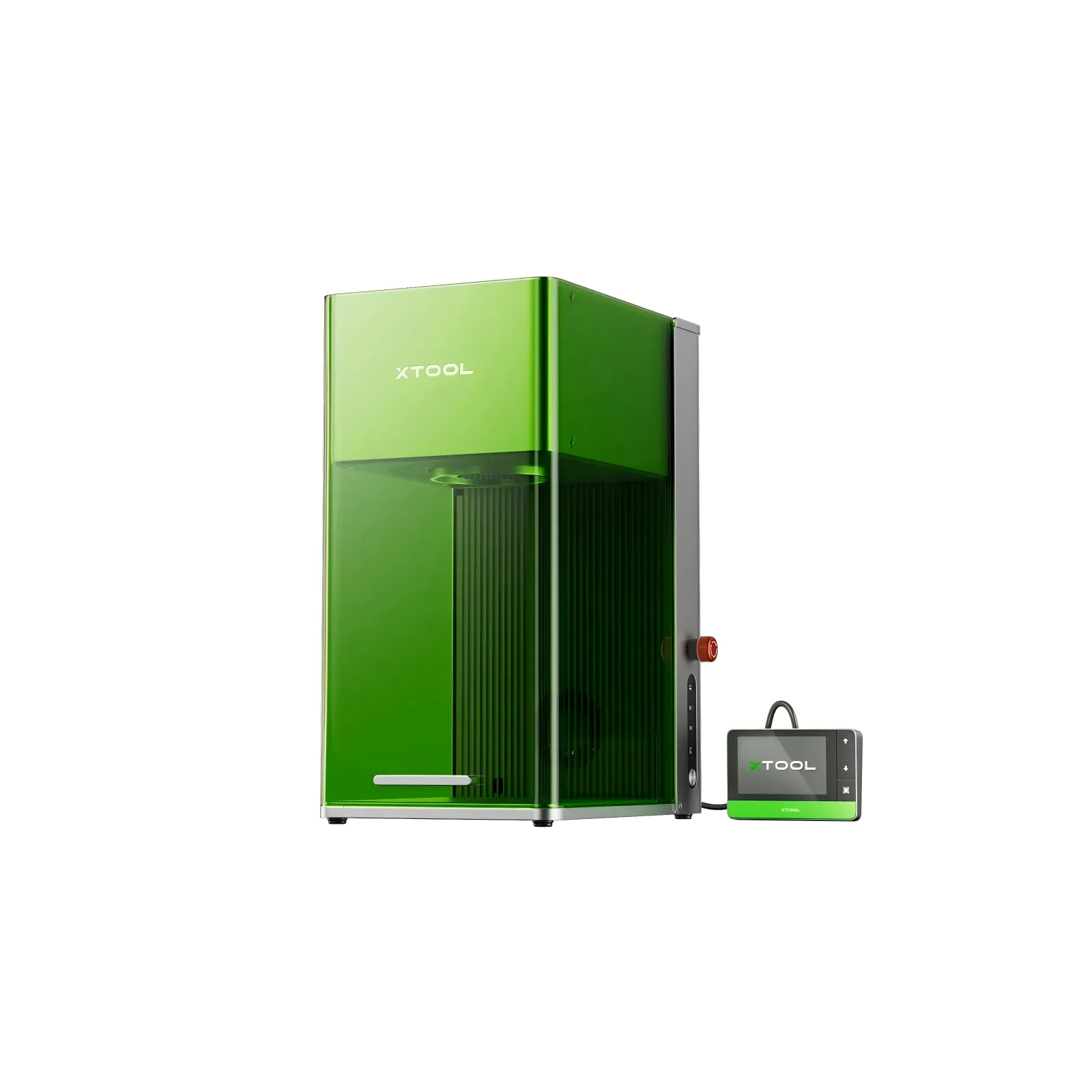
20W fiber marked a full leather panel in 36 seconds in our tests. The batch-marking workhorse. ($2,999)
4. Aliencell X1 40W
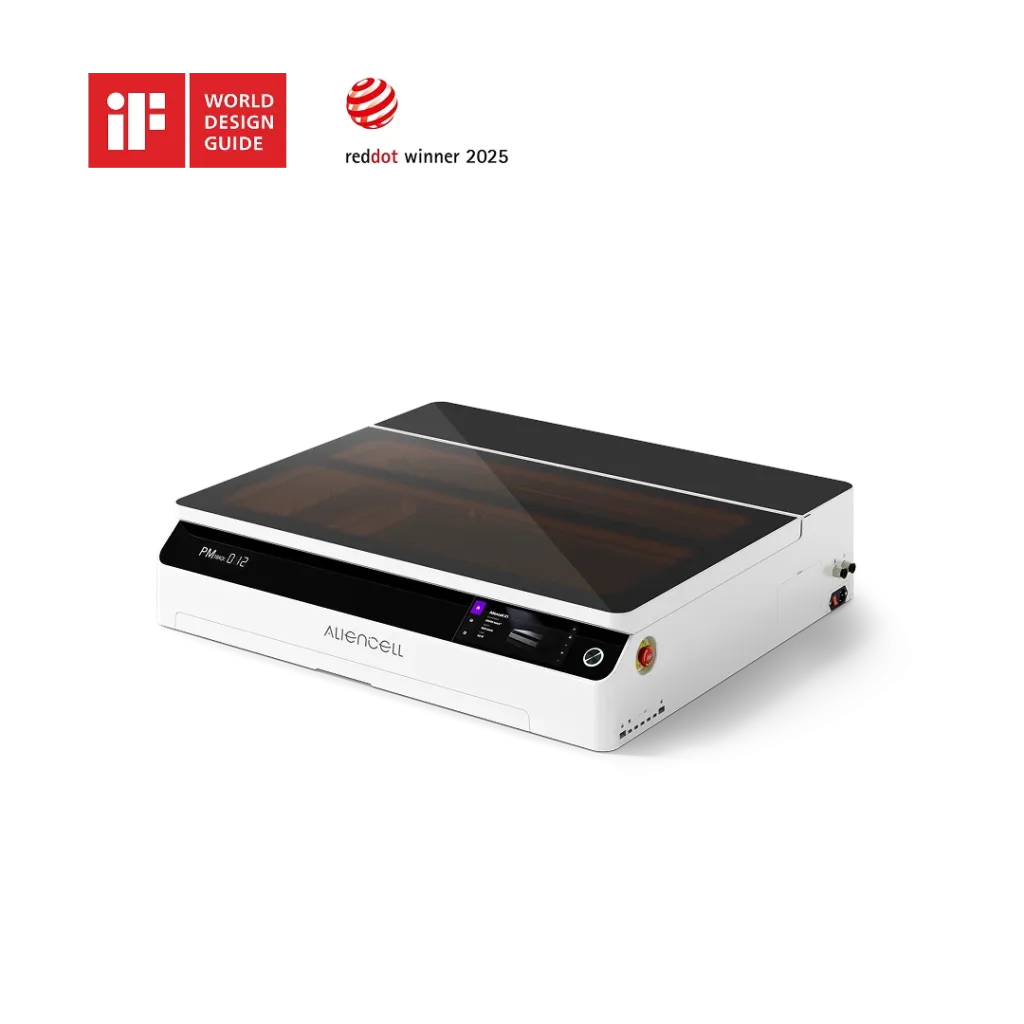
A 40W diode and the biggest bed in this guide, 610 x 465 mm. CO2-class cutting at diode pricing. ($2,299, frequently discounted)
5. xTool F2
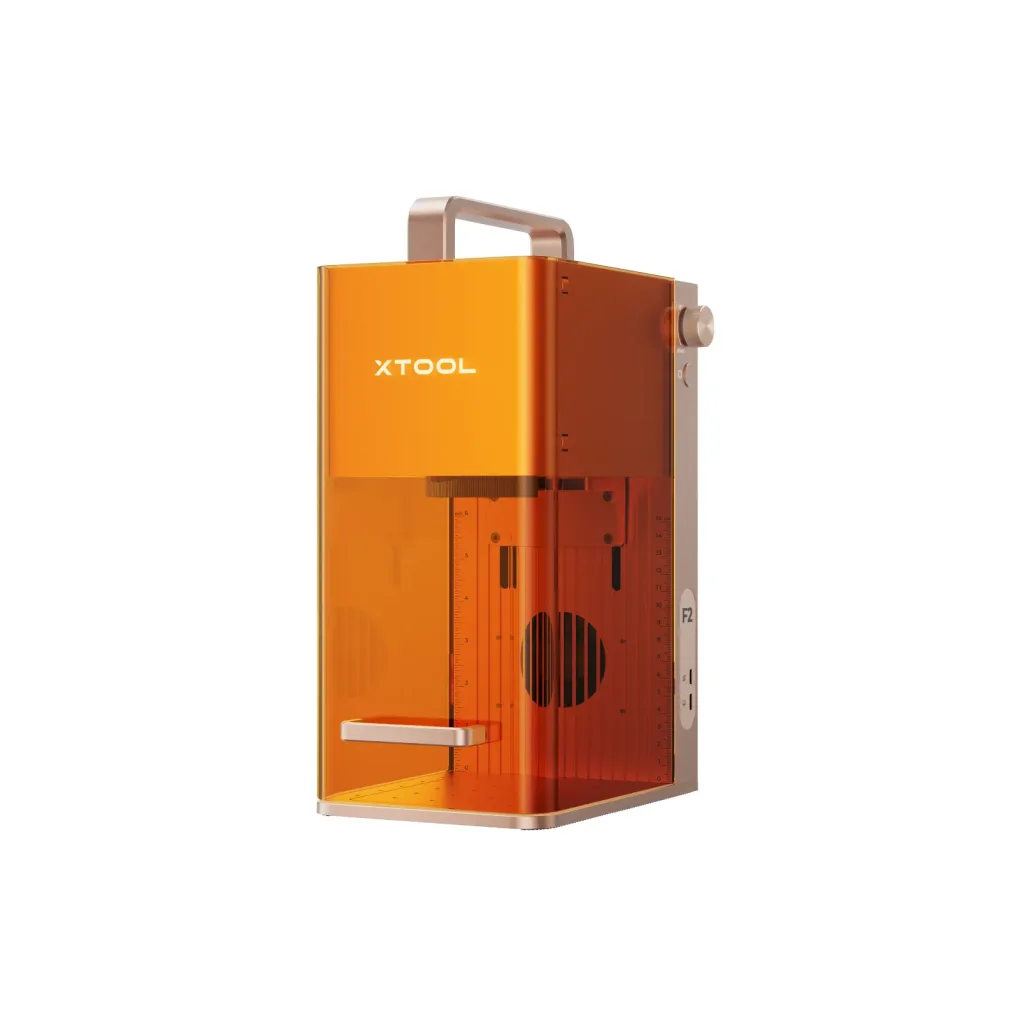
Wallet-scale engraving at 6,000mm/s in a sub-5kg body, plus an IR laser for brass hardware. The craft-fair pick. ($1,499)
6. TOOCAA NOVA
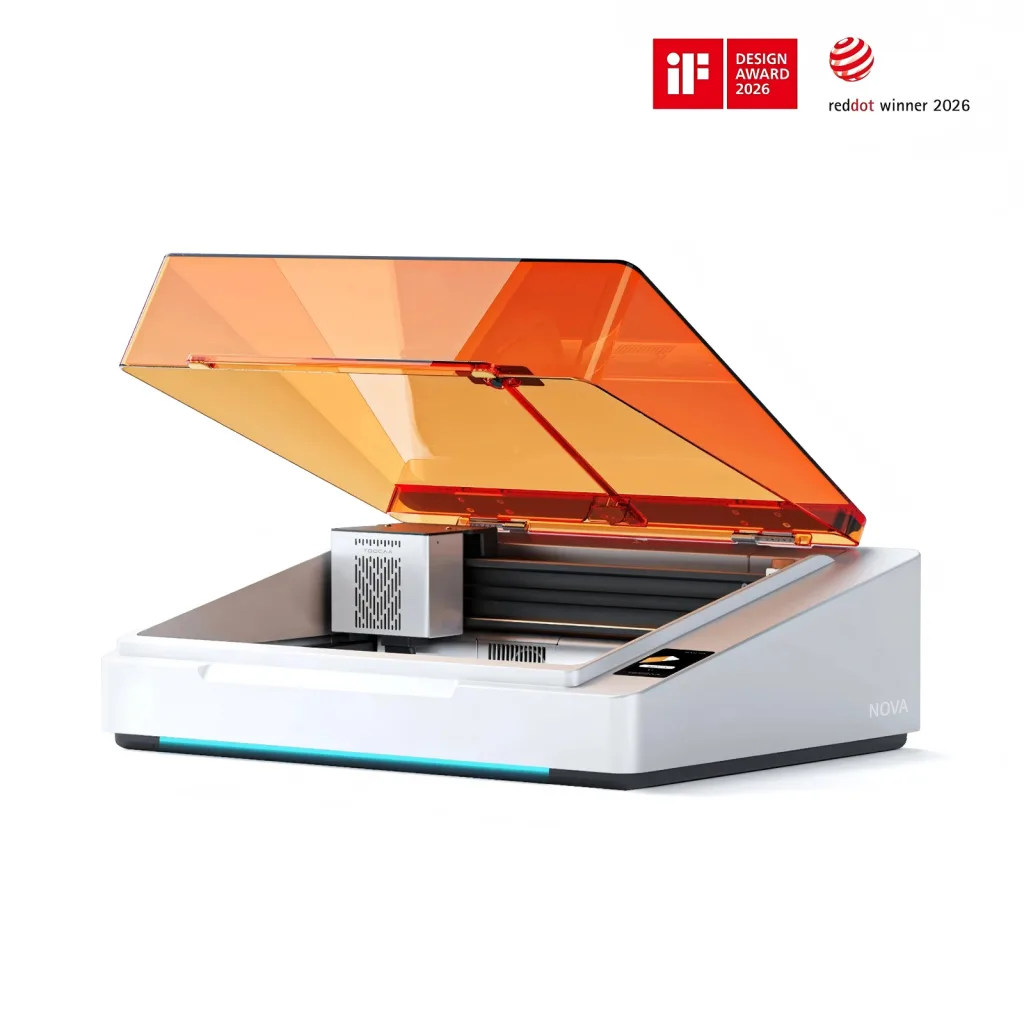
Fully enclosed, Class 1 safe, and it loads leather parameter settings automatically. The safest first laser we have tested. (from $768)
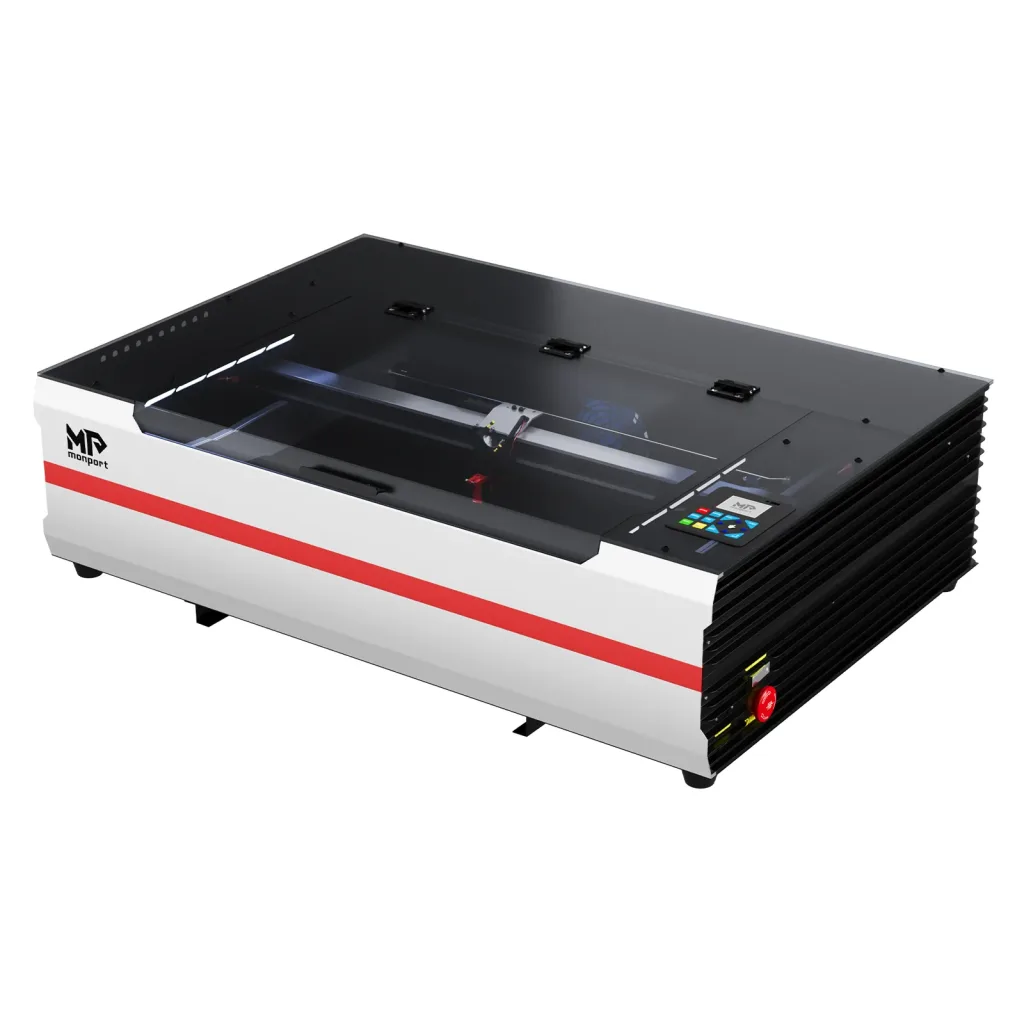
7. Monport Reno65 Pro 65W
65W of CO2 power — more than the P2S — for roughly $2,500 less. Pure cutting muscle at 800mm/s. ($1,849.99 on sale)
The Best Laser Engravers & Cutters for Leather You Can Buy
Why you can trust us: Based on real-world leatherworking scenarios and essential user requirements, we carefully evaluated dozens of laser cutters and engravers we’ve tested to select these seven standout machines. Each model underwent six weeks of exhaustive hands-on testing, giving us complete confidence in helping you find the right laser engraver for leather processing.
1. xTool P2S: Best Overall CO2 Laser for Leather
Specifications
| Spec | Detail |
| Laser source | 55W CO2 (10,600nm) |
| Work area | 600 x 308mm |
| Max engraving speed | 600mm/s |
| Accuracy | 0.01mm |
| Leather cutting | 5mm veg-tan in one pass; thicker straps at lower speed |
| Camera | 16MP dual camera, autofocus |
| Batch workflow | Batch Processing 2.0 |
| Safety | Enclosed body, auto-locking lid, doubled exhaust airflow |
| Materials | Leather (veg-tan and chrome-tan with ventilation), wood, acrylic including clear, paper, fabric, glass, ceramic, rubber, coated metal, EVA foam. |
| Price | $4,499 (sales run often) |
Reasons to buy
- 55W CO2 cuts 5 mm vegetable-tanned leather in a single pass
- 600 x 308mm bed fits hide sections and full grids of patches
- Batch Processing 2.0 gives every piece its own name or serial
- Dual 16MP cameras turn positioning into drag-and-drop
- Enclosed body with doubled airflow keeps smoke off light leather
Reasons to avoid
- The most expensive machine in this guide
- 45kg, it lives on one bench
- Cannot mark bare metal buckles or rivets, that is a fiber or IR job
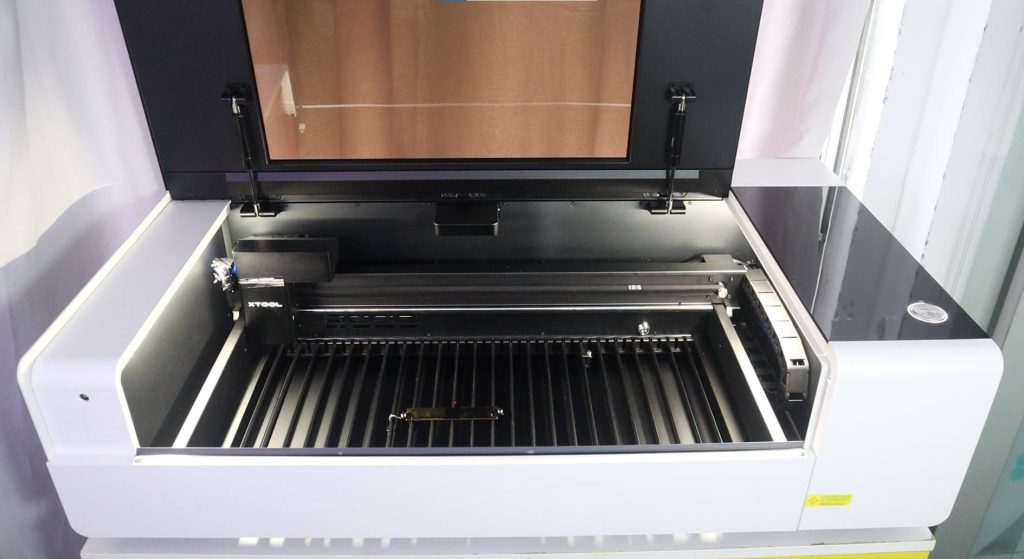
The xTool P2S is the machine we recommend when leather is the business, not a side product. CO2’s 10.6-micron wavelength is the cleanest way to cut leather: the material absorbs it efficiently, so edges come out sealed with light browning instead of char. With 55W on tap, the P2S slices 5 mm veg-tan in one pass and still has headroom for 8 mm straps at slower speeds. The 600 x 308 mm bed takes a half-hide section or a full sheet of hat patches in a single setup.
Engraving quality is what wins it Best Overall. Light veg-tan takes rich, high-contrast marks—around 10-25% power at 100-500 mm/s produces photos with real grayscale depth, and monograms stay sharp at wallet scale thanks to 0.01 mm accuracy. Because the same job file can engrave and then cut, a batch of key fobs goes from raw hide to finished blank without touching a second machine.
The camera workflow is what cheaper CO2 machines skip. Two 16MP cameras photograph the bed, you drag designs onto the leather you actually laid down, and the machine handles focus and placement on its own. Batch Processing 2.0 then pushes a different name, number, or image to each piece in one run—the exact workflow behind personalized wallets, dog collars, and journal covers.
Leather work makes smoke, and smoke stains light leather. The xTool P2S runs a 14,000 RPM dual-fan exhaust that doubles airflow to 19.7 m/s, pulling fumes off the piece before they settle. The body is fully enclosed, and the lid locks while running, so the beam stays contained. Add xTool’s air purifier, and it runs happily in a home workshop.
At $4,499 before frequent sales, this is a business purchase, and our full review called it the king of desktop laser cutters. Nothing in this guide changes that verdict for leather. If you cut straps, panels, and patches as much as you engrave them, the xTool P2S is the best laser engraver for leather you can buy.
Read our full review: xTool P2/P2S 55W CO2 Review
2. xTool F2 Ultra UV: Best UV Laser for Burn-Free Fine Detail

Specifications
| Spec | Detail |
| Laser source | 5W UV (355nm), cold processing |
| Work area | 200 x 200mm surface (70 x 70mm 3D inner; 200 x 500mm with conveyor) |
| Max engraving speed | 15,000 mm/s |
| Laser spot | 0.01 x 0.01mm |
| Cutting capacity | 15 mm basswood in multiple passes; finer kerf than 15W diode |
| Camera | Dual 48MP cameras, autofocus, LiDAR ranging |
| Safety | Class 4 beam, enclosed housing |
| Materials | Leather, glass, crystal, acrylic, wood, metal, plastic, rubber, silicone, ceramic, and more—the broadest material list of any laser type. |
| Price | $4,299 (bundles with conveyor cost more) |
Reasons to buy
- 355nm cold beam marks leather with no burn ring and no edge browning
- 0.01mm spot renders detail fiber, diode, and CO2 cannot match
- Cut 3mm plywood in one pass faster than a 15W diode in our tests
- 15,000mm/s, the fastest engraving speed in this guide
- Also engraves glass, crystal, silicone, and most plastics other lasers ruin
Reasons to avoid
- Second-highest price in this guide at $4,299
- 200 x 200mm surface bed is small for hide-scale work
Most laser engravers burn their marks into leather. The xTool F2 Ultra UV does not. Its 355nm UV photons carry enough energy to break material bonds directly, with almost no heat, which is called “cold processing.” On leather, that means crisp, dark marks with zero scorch halo. That matters most on finished, dyed chrome-tan goods, where one burn ring around a logo scraps the entire piece.
We measured what the precision means in our full review. The 0.01 x 0.01 mm spot is 8 to 15 times finer than diode, fiber, or CO2 beams. In cutting tests, the 5W UV sliced 3mm plywood in one pass at 12 mm/s, which is faster than xTool’s own 15W diode managed at 6 mm/s—with a visibly thinner kerf. On leather patches, that translates to clean perimeter cuts and micro-scale logos that hold up under a loupe.
Speed is the other surprise: 15,000 mm/s, the fastest figure in this guide. Rows of patch logos or serial numbers on straps finish while gantry machines are still framing their first job. The dual 48MP cameras handle positioning and autofocus automatically, and the optional Streamline conveyor feeds pieces through for unattended batch runs.
The UV source also engraves materials that give other lasers trouble: glass, crystal, silicone, and most plastics, so a leather studio can add drinkware, trophy, and tech-accessory lines without buying another machine. The 3D crystal engraving mode is a product category with almost no local competition.
The F2 Ultra UV scored 4.9/5 in our review, the highest score in this guide. At $4,299, it is a premium tool, and the 200 x 200 mm bed is small if high-scale cutting is the goal—that is the xTool P2S’s job. But for premium finished leather goods, burn-free is the whole selling point, and nothing else here matches it.
Read our full review: xTool F2 Ultra UV Laser Engraver Review
3. xTool F1 Ultra: Fastest Dual-Laser for Leather Batch Production
Specifications
| Spec | Detail |
| Laser source | 20W fiber (1064nm) + 20W diode |
| Work area | 220 x 220mm (500mm length with conveyor) |
| Max engraving speed | 10,000 mm/s |
| Metal cutting | 0.4mm brass / 0.3mm stainless / 0.2mm aluminum |
| Camera | 16MP, autofocus |
| Safety | Fully enclosed, flame alarm, built-in smoke extraction |
| Materials | Leather, all common metals including stainless and brass, wood, acrylic, plastic, coated surfaces. |
| Price | $2,999 (conveyor bundle $3,449) |
Reasons to buy
- 20W fiber marks leather logos deep and permanently; no coating needed
- Our review timed a full leather engraving at 36 seconds
- 10,000 mm/s batch marking at genuine production pace
- Diode side cuts patch blanks, fiber side handles brass hardware
- Enclosed with flame alarm—real protection on a flammable material
Reasons to avoid
- 220 x 220mm bed suits patches and goods, not hide layouts
- 14.7 kg; this is a bench machine, not an event machine
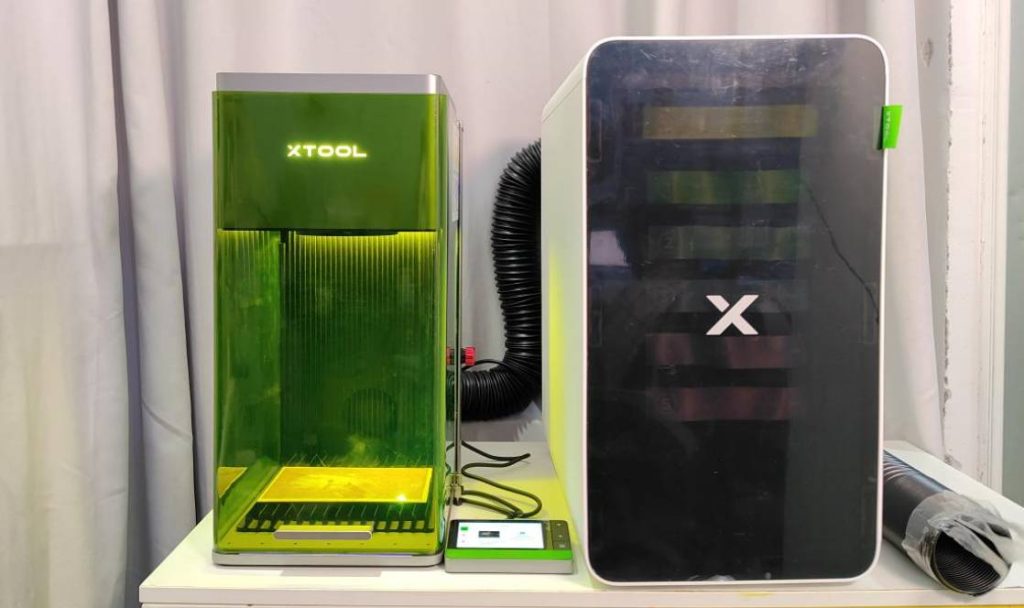
If your leather business is logo marking, like patches, straps, or brand stamps, the F1 Ultra was built for that job. Fiber lasers at 1064 nm are what commercial marking shops run on leather: the mark is permanent, dark, and sits into the surface rather than on top of it. The xTool F1 Ultra’s 20W fiber module brings that capability to a desktop machine.
Our review timed it. A full leather engraving finished in 36 seconds. Color marking on stainless took 59 seconds, and deep engraving bit 2 mm into brass after 200 passes, enough to cut a usable stamp. At 10,000 mm/s, the galvo head traces an entire patch logo before a gantry machine finishes its first pass, and that speed difference compounds across every order.
The dual-laser layout covers both halves of the patchwork. The fiber source marks the logo; the 20W diode cuts the patch blanks from veg-tan sheets. The fiber laser also finishes the metal parts of a leather product—brass buckles, rivets, and stainless dog tag blanks—at up to 0.4 mm brass cutting depth, so hardware and leather personalization happen on one bench.
Leather is flammable at slow cutting speeds, so the safety stack matters. The xTool F1 Ultra is also fully enclosed, with a flame alarm that stops the beam the instant material ignites, plus built-in smoke extraction that keeps marking fumes out of the room. The touchscreen stores jobs onboard, so repeat orders rerun without a computer. The optional conveyor stretches the bed to 500 mm and keeps batches moving.
At $2,999 — down from $3,249 — with the conveyor bundle at $3,449, it scored 4.7/5 in our review. The bed is the honest limit: 220 x 220 mm fits patches, wallets, and goods, not hide sections. For marking volume on leather, it is the second fastest machine in this guide
Read our full review: xTool F1 Ultra Review
4. Aliencell X1 40W: Best Diode Laser for Cutting Thick Leather
Specifications
| Spec | Detail |
| Laser source | 40W diode (20W and 60W modules swappable) |
| Work area | 610 x 465mm, the largest in this guide |
| Max engraving speed | 600 mm/s, 20,000 mm/s acceleration |
| Cutting (our test) | 10mm pine in one pass; |
| Camera | Dual 8MP, auto-positioning, and batch fill |
| Safety | 10 flame sensors, cover detection, alarm, air quality monitoring, remote monitoring |
| Controller | Standalone touchscreen OS, offline job memory |
| Materials | Wood, MDF, plywood, leather, dark plastics, fabric, stone, and more. |
| Price | $2,299 list (official-store sales have hit $1,529) |
Reasons to buy
- 610 x 465mm bed, the biggest workspace of any machine here
- 40W diode cuts thick leather in a few passes, CO2-class results at diode cost
- Dual 8MP cameras auto-locate every piece for unattended batches
- 10 flame sensors watch the bed, solid peace of mind on leather
- Runs standalone from its touchscreen, no PC required
Reasons to avoid
- Diode cut edges brown more than CO2, expect some cleanup
- Engraving tops out at 600mm/s, slow next to the galvo machines
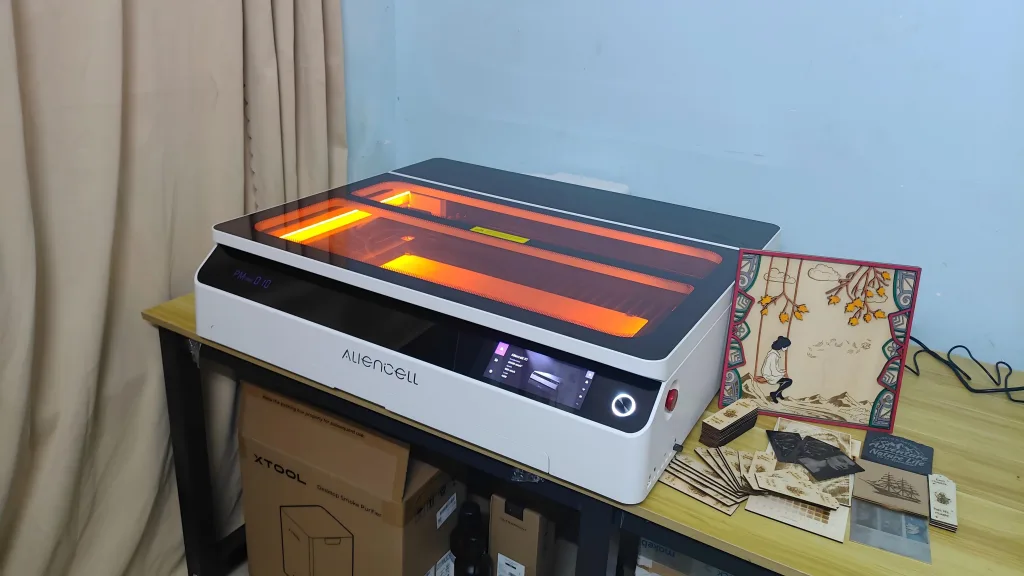
The Aliencell X1 answers the question every leather maker with a small diode eventually asks: how do I cut thicker leather without buying a CO2 laser cutter? Its 40W module is the most powerful diode in this guide, and the 610 x 465mm bed is the largest workspace here, big enough to lay out a half-hide section or a full grid of patch blanks and walk away.
Cutting is the Aliencell X1’s specialty. In our review, it sliced 10 mm pine in a single pass, so it can cut 3-4 mm veg-tan easily. Edges brown more than a CO2 would leave. That is the 450nm diode beam at work. A quick edge coat or burnish cleans them up, and the money saved against a CO2 machine buys a lot of edge paint.
Batch work is where the cameras earn their keep. The dual 8MP pair photographs the whole bed, auto-locates each piece, and fills jobs without manual placement. Our 28-bookmark batch ran 1 hour 38 minutes unattended. Set it, leave, come back to finished pieces.
Safety coverage runs unusually deep for the price: 10 flame sensors across the bed, cover detection, alarm triggers, and component air quality monitoring. Leather plus slow multi-pass cuts is why flame sensors exist. The Aliencell X1 also runs its own touchscreen operating system with job memory, so last week’s patch run reproduces without opening a laptop.
The Aliencell X1 scored 4.7/5 in our review. List price is $2,299, and the official store runs sales constantly. We have tracked it as low as $1,529, which is remarkable for this bed size and wattage. If cutting thick leather is the goal and a CO2 laser is out of budget, this is the machine that closes the gap.
Read our full review: Aliencell X1 Laser Engraver Review
5. xTool F2: Best Compact Dual-Laser for Small Leather Goods

Specifications
| Spec | Detail |
| Laser source | 15W diode + 5W infrared (1064nm) |
| Work area | 115 x 115mm (400 x 115mm with slide extension) |
| Max engraving speed | 6,000mm/s |
| Laser spot | 0.08 x 0.06mm (diode) / 0.03 x 0.03mm (IR) |
| Camera | 50MP smart camera, autofocus |
| Weight | Under 5kg, travels to events |
| Safety | Class 4 open beam, protective shield included |
| Materials | Leather, wood, acrylic, coated metals, bare stainless and anodized aluminum (IR), plastic, stone, and more. |
| Price | $1,499 |
Reasons to buy
- Wallet-scale bed and sub-5 kg body, personalization at craft fairs
- 5W IR marks brass buckles and stainless dog-tag blanks directly
- 6,000 mm/s galvo speed keeps event queues moving
- 50MP live preview, autofocus, automatic material settings
- Slide extension quadruples the bed for batch strips
Reasons to avoid
- 115 x 115mm base area rules out belts and large panels
- Leather cutting limited to thin stock around 3mm
Small leather goods are a different business from straps and panels, and the xTool F2 is sized for it. Wallets, cardholders, keychains, dog tags, and luggage tags: the 115 x 115 mm bed matches these products. Under 5kg, it also travels. Personalizing leather goods on demand at a craft fair or market is a proven revenue stream, and the xTool F2 is the machine built for it.
The dual-laser split fits leather work neatly. The 15W diode engraves and cuts the leather itself, handling thin veg-tan pieces in one or two passes. The 5W infrared handles the metal: brass buckles, stainless blanks, and rivets take crisp black marks directly, with no spray and a 0.03mm spot. In our review, the IR output beat the diode on fine detail, which is just what a monogram needs.
Speed keeps event queues short. At 6,000 mm/s, the galvo head finishes a name-and-logo job in a couple of minutes. The 50MP camera shows the live workspace, so you drag the design onto the wallet in the preview and press start. Autofocus and material presets cut setup to seconds, which matters when the customer is standing in front of you.
Back at the shop, the slide extension stretches the bed to 400 x 115 mm for batch strips of keychains and tags. Leather work gives off fumes, so run the xTool F2 ventilated or beside xTool’s purifier, and treat the open Class 4 beam with respect: goggles on, shielding in place, and no modifications.
The F2 scored 4.8/5 in our review, and at $1,499, it is the strongest value for mobile leather personalization. It will not cut belts; that is not its job. For small goods and on-site work, no other machine here offers this speed, camera, and portability at the price.
Read our full review: xTool F2 Portable Dual Laser Engraver Review
6. TOOCAA NOVA: Best Beginner Laser for Leather Side Hustles

Specifications
| Spec | Detail |
| Laser source | 20W diode (10W and 2W IR modules available) |
| Work area | 297 x 210mm (A4) |
| Max engraving speed | 600 mm/s |
| Cutting test | 10 mm pine wood in one pass |
| Camera | 5MP, material recognition, 3-second autofocus |
| Safety | FDA Class 1, fully enclosed, five-layer protection |
| Rotary | 90-degree X-axis rotation, quick-release gripper |
| Materials | Wood, opaque acrylic, leather, paper, cardstock, felt, anodized aluminum, slate, glass, and ceramic. |
| Price | From $768 (10W starter; 20W bundles higher) |
Reasons to buy
- Fully enclosed Class 1, the safest first laser we have tested
- Smart workflow outperforms other beginner-level laser machines
- Dual-channel exhaust leaves patch backs clean
- Ten minutes from box to first engraving
Reasons to avoid
- A4 bed limits layout size
- 600 mm/s gantry speed is slow for large batch marking
Every leather side hustle starts somewhere, and the TOOCAA NOVA is the safest first step we have tested. It is fully enclosed and FDA Class 1 rated. The beam stays inside the box: no goggles, no curtain. It runs near 50dB, quieter than a normal conversation. A maker in an apartment or a corner of the living room can start now instead of waiting for a workshop.
The smart workflow removes the settings barrier that scares beginners off leather. The camera reads QR-coded material sheets and loads power and speed automatically; autofocus completes in three seconds. Veg-tan blanks take a dark, even mark on the first press of start. In our testing, the path from box to first finished piece took about ten minutes, just as TOOCAA claims.
On leather, the 20W diode engraves hat patches, keychains, collar tags, and journal covers with clean results. The dual-channel exhaust pulls smoke from above and below the piece. Our batch tests came out with virtually no soot on the back, which matters when the back of a patch is the visible side of a hat.
The 90-degree rotating X-axis earned the TOOCAA NOVA its spot in our tumbler guide, and leather sellers will use it too: leather-wrapped flasks, bottle carriers, and other cylindrical goods engrave on the rotary without lifting the machine or buying a riser. TOOCAA Studio runs in the browser with AI templates, and LightBurn support is there when the business outgrows starter software.
Pricing starts at $768 for the 10W starter. The 20W version we recommend costs more, and bundle sales are frequent. It scored 4.6/5 in our review. The A4 bed and gantry speed set the ceiling. This is a first machine that starts a side hustle, not a production line, and at this price that is the point.
Read our full review: TOOCAA NOVA 20W Smart Laser Engraver Review
7. Monport Reno65 Pro: Best Value CO2 Laser for Leather Production

Specifications
| Spec | Detail |
| Laser source | 65W CO2 (10,600nm), the most power in this guide |
| Work area | 600 x 400mm, Z-axis 100mm, front pass-through |
| Max engraving speed | 800 mm/s |
| Cooling | External water pump, 3,000 L/H |
| Air assist | Adjustable, 18L/min |
| Safety | Lid-open alarm stops the laser, axis limit switches |
| Noise (our test) | 56.6 dB at 30cm |
| Software | LightBurn, AutoLaser |
| Materials | Wood, acrylic in every color including clear, leather, fabric, paper, bamboo, glass, rubber, coated or anodized metal. |
| Price | $1,849.99 on sale (list $1,999.99) |
Reasons to buy
- 65W of CO2 power, more than the P2S, for roughly $2,500 less
- 800 mm/s engraving with precision intact across the speed range
- 600 x 400mm bed plus 100mm Z clearance for thick pieces
- External pump swap keeps long cutting runs cool without shutdowns
- Quiet at 56.6dB, and clean air results in our workshop test
Reasons to avoid
- No camera, batch positioning is manual
- Semi-automatic focus, drop the probe and set the table
- External pump needs a bucket and a water-change routine
Do the math on the Monport Reno65 Pro: 65W of CO2 output, more than the P2S, for roughly $2,500 less. Monport did it by skipping the camera ecosystem and selling raw CO2 muscle in a compact body. For a leather producer who cuts far more than they personalize, that trade makes sense.
Our review confirmed the speed claims. At 800mm/s, the fastest CO2 engraving speed in this guide, circles and corners stayed true across the entire 300-800 mm/s range we tested. A six-sheet layered project in 3 mm plywood finished in about 30 minutes, where a 20W machine needed one to two hours. Translate that to leather: production cutting of straps, panels, and patch grids runs several times faster.
The 600 x 400mm bed takes whole hide sections, and the 100mm Z-axis clearance handles boxed pieces and thick jigs that no other desktop machine here matches. There is even a hidden front pass-through for long strips. On veg-tan, expect CO2’s signature clean, sealed edges: 6 mm cuts in a single pass with wattage to spare for heavier straps.
Two practical points stood out in testing. The external water pump sounds like a con but works like a production feature: swap in cold water any time, and the tube never heat-soaks into a mid-run shutdown, even during marathon cutting runs. And the machine measured 56.6dB at 30 cm with strong smoke containment in our one-hour air-quality test, so it fits an indoor workshop.
Know the gaps before buying: no camera, so batch placement is manual; the P2S justifies its price there. Focusing is semi-automatic via the magnetic probe. Our review called it industrial-grade technology applied to a desktop laser. At $1,849.99 on sale, it is the best value CO2 laser for leather production.
Read our full review: Monport Reno65 Pro 65W CO2 Laser Engraver Review
How to Choose a Laser Engraver for Leather
Which type of laser is best for leather?
CO2 is the best all-around leather laser: its 10.6-micron beam cuts and engraves cleanly, and 55-65W machines like the P2S and Reno65 Pro cut 6 mm veg-tan in one pass. Fiber is the fastest marker: 1064 nm galvo machines like the F1 Ultra stamp permanent logos at 10,000 mm/s. UV is the cold option: 355 nm machines like the F2 Ultra UV engrave with zero burn, ideal for finished dyed goods. Diode is the budget path: 20W engraves patches nicely, and 40W modules like the Aliencell X1 cut thick leather in multiple passes.
Do you need to engrave leather or cut it?
Marking a logo or name needs speed and a fine spot, not raw wattage, so galvo machines dominate patch marking. Cutting straps, panels, and blanks needs power: 3 mm veg-tan cuts in one pass at 55-65W CO2, in two or three passes at 40W diode, and only barely at 20W diode. Patch sellers usually need both, which is why dual-source machines and the P2S earn their prices.
Which leather should you process?
Vegetable-tanned leather is the best place to start: its light tan surface takes dark, high-contrast marks, and it cuts cleanly. Chrome-tanned leather, which is most commercial goods, is dyed, more heat-sensitive, and produces stronger fumes. Favor cold processing or test settings on scraps, and ventilate hard. Faux leather needs care: polyurethane (PU) can usually be engraved, but PVC or vinyl faux leather must never go under a laser.
How fast do you need to mark?
Galvo machines (fiber, UV, IR) engrave at 6,000-15,000 mm/s; gantry machines (CO2, diode) top out around 600-800 mm/s. Twenty patch logos take seconds per piece on the F1 Ultra versus minutes on a gantry. If batch marking is the business, buy a galvo. If cutting is the business, wattage matters more than marking speed.
What about smoke, fumes, and safety?
Laser work on leather produces fumes, strongest on chrome-tanned, and every machine here needs ventilation or a purifier. Leather is also flammable at slow cutting speeds. And one non-negotiable rule: never cut PVC or vinyl. Chlorine gas is toxic to you and corrosive to the machine.
Leather Laser Settings Cheat Sheet
| Laser type | Engraving leather (start here) | Cutting 3mm veg-tan |
| CO2 55-65W | 8-25% power, 100-500 mm/s | 30-70% power, 13-30mm/s, one pass |
| Fiber 20W (galvo) | 15-60% power, 1,000-2,000 mm/s | Thin stock only |
| UV 5W (cold) | 10-30% power, 500-2,000 mm/s | Test first |
| Diode 20W | 40-100% power, 100-250 mm/s | Test first |
| Diode 40W | 60-100% power, 200-400 mm/s | Test first |
These are starting points, not gospel. Tannage, moisture, and dye change how leather reacts. Always run a test corner on a scrap before committing the good piece.
FAQ
Can I laser engrave leather?
Yes, all four common laser types mark leather, and fiber, CO2, and diode marks are permanent. Vegetable-tanned leather gives the highest contrast because its light surface takes dark marks easily.
Can a laser cutter cut leather?
Yes. Both the 55-65W CO2 laser and the 20W and 40W diode lasers can effectively cut leather.
What is the best laser engraver for leather patches?
For marking volume, the xTool F1 Ultra: its 20W fiber source engraved a full leather panel in seconds. For cutting and marking in one machine, the xTool P2S. For thick cutting on a budget, the Aliencell X1.
Can I laser engrave faux leather?
Polyurethane (PU) faux leather can usually be engraved at low power, but PVC or vinyl faux leather must never go under any laser. The chlorine gas it releases is toxic, and the fumes corrode the machine. If a material’s composition is unknown, do not laser it.
Will laser engraving burn my leather?
Heat-based lasers (CO2, diode, fiber) brown the surface when power is too high or speed too low. Start at the low-power settings in our cheat sheet and test scraps. UV lasers engrave cold and leave no burn marks at all, which is why the F2 Ultra UV leads on finished goods.
Is laser engraving leather safe?
Yes, with ventilation. Leather fumes should be extracted outdoors or through a purifier, especially chrome-tanned leather. Enclosed machines with smoke extraction and flame alarms make the process safe for home workshops. Never laser PVC, and keep a fire extinguisher within reach for any open-beam machine.
Conclusion
The right leather machine depends on what you sell. For cutting straps, panels, and patches plus batch personalization in one box, the P2S is the complete tool. For marking speed, the xTool F1 Ultra is the clear leader. For finished dyed goods where a burn mark scraps the piece, the xTool F2 Ultra UV engraves cold. Thick cutting on a diode budget is the Aliencell X1’s job, mobile small-goods personalization is the xTool F2’s, the TOOCAA NOVA is the safest first machine, and the Monport Reno65 Pro delivers the most CO2 watts per dollar.
If we could only pick one for a leather business, it would be the P2S. Leather work is half cutting and half marking, and the P2S is the only machine here that excels at both. Pure production cutters should look hard at the Reno65 Pro first: the same 3mm one-pass capability with lower wattage, $2,500 left in the budget, and manual positioning as the only compromise.
Three habits will save you more money than any machine choice: buy vegetable-tanned leather when you are learning, test every new design on a scrap corner, and ventilate properly. And never, under any circumstance, put PVC or vinyl under the beam.
For most leather businesses in 2026, the xTool P2S is the best laser engraver for leather you can buy.